Rainbow Flower Font: A Sweet Touch for Your Creative Projects
There's something undeniably joyful about a font that feels like it was drawn by a happy hand. Rainbow Flower Font is exactly that—a sweet and friendly handwritten typeface that brings a burst of warmth and personality to any project. Its natural curves and unique style make it more than just letters on a screen; it's a visual voice that speaks with charm and authenticity. Whether you're designing a logo for a new bakery, creating social media posts for a lifestyle brand, or crafting a heartfelt invitation, this font offers a refreshing alternative to the cold precision of standard corporate typefaces.
Understanding the Visual Appeal of a Handwritten Typeface
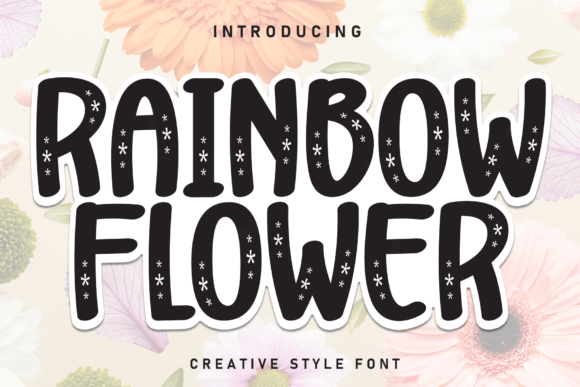
What makes Rainbow Flower Font so visually appealing? At its core, it captures the irregularity and warmth of actual handwriting. Unlike perfectly geometric sans serif fonts or rigid serif typefaces, each character in this handwritten font has its own subtle quirks—a slightly uneven baseline, varying stroke weights, and organic connections between letters. This imperfection is its greatest strength. It feels human, approachable, and genuine. For designers, this quality translates to instant relatability. When a customer sees this typeface on a product or website, they don't just see text; they sense a story, a personality, and a brand that values connection over corporate sterility.
The "rainbow" and "flower" in its name aren't just cute descriptors; they hint at its aesthetic. The font likely features playful, flowing lines that suggest movement and growth, much like petals unfolding or colors blending in a spectrum. This makes it a fantastic display font for headlines, logos, and short bursts of text where you want to inject energy and positivity. It’s the kind of typeface that can make a simple "Thank You" on a package feel like a personal note from a friend.
Practical Applications: Where This Font Truly Shines
The versatility of a creative font like Rainbow Flower Font is where its real-world value lies. It’s not just for one niche; its friendly demeanor adapts to a surprising range of projects. Let’s explore some concrete applications.
- Branding and Logo Design: For small businesses, especially those in creative fields, artisanal goods, children's products, or wellness, a logo set in this handwritten font can immediately convey a brand identity built on warmth, creativity, and personal touch. Think of a florist's logo, a handmade jewelry brand, or a cozy café's menu header.
- Packaging Design: On product labels, boxes, or tags, Rainbow Flower Font can elevate packaging from generic to special. It works beautifully for product names, flavor descriptions, or heartfelt messages printed directly on the item, enhancing the unboxing experience.
- Social Media Graphics and Web Design: In the fast-scrolling world of Instagram and Pinterest, visuals need to pop. Using this font for quotes, sale announcements, or story headings can stop the scroll and boost engagement. On a website, it can be used sparingly for key headings or call-to-action buttons to add a layer of personality without sacrificing overall readability.
- Print Materials and Editorial Layouts: Invitations, greeting cards, poster headlines, and magazine pull-quotes are perfect candidates. It brings a celebratory or intimate feel to event collateral and can highlight important text in a brochure or flyer in an eye-catching way.
- Digital Products and Marketing Assets: From e-book covers and worksheet titles to email newsletter headers and online course materials, this font helps create a cohesive and engaging visual identity for digital offerings.
- Merchandise: Imagine this font on a tote bag, a t-shirt, or a mug. Its friendly style is ideal for merchandise that aims to be uplifting and fun, making products more marketable to a broad audience.
Integrating Rainbow Flower Font Into Your Design Strategy
Simply having a great font isn't enough; using it strategically is key to improving your project's effectiveness. Here’s how to think about it from a practical design perspective.
Font Pairing is Crucial. A decorative handwritten font like Rainbow Flower rarely works well as the body text for long paragraphs. Its strength is in display use. The smartest approach is to pair it with a highly readable, neutral companion. A clean sans serif font (like Open Sans or Lato) or a classic serif font (like Merriweather or Georgia) for body text creates a beautiful contrast. The handwritten font draws the eye and sets the mood for headlines, while the paired font ensures the main content is easy to read. This pairing enhances both visual interest and professionalism.
Consider Your Audience and Goals. Who are you trying to reach? If your brand targets young families or creative hobbyists, Rainbow Flower Font is likely a perfect match. If you're designing for a law firm or a fintech company, it might be too casual. Always align your typography choices with your brand's personality and your project's specific goal—whether that's to sell, to inform, to celebrate, or to inspire.
Test for Readability. Even within its playful style, check how the font performs at different sizes and on various backgrounds. Ensure that the unique letterforms don't compromise clarity, especially for shorter words or critical information like dates and prices. A quick test print or screen preview is always worthwhile.
Explore All Included Styles. Many premium fonts come with a family of weights and styles. Check if Rainbow Flower Font includes variations like bold, italic, or alternate character sets. These can provide valuable flexibility, allowing you to create hierarchy and emphasis within your designs while maintaining a consistent typographic voice.
A Final Thought on Choosing Your Creative Assets
In a landscape saturated with digital design assets, selecting the right tools is about finding the balance between uniqueness and utility. Rainbow Flower Font stands out as a typeface that doesn't just perform a function but adds a distinct emotional layer. It’s a design asset that can help build brand recognition through its memorable style, foster audience engagement with its friendly vibe, and contribute to a professional presentation when used thoughtfully within a broader typographic system. Before incorporating any commercial font, always review the licensing to ensure it covers your intended use, whether for personal projects or commercial merchandise. When you find a font that resonates with your creative vision and speaks directly to your audience, it becomes more than a tool—it becomes a cornerstone of your visual communication.